

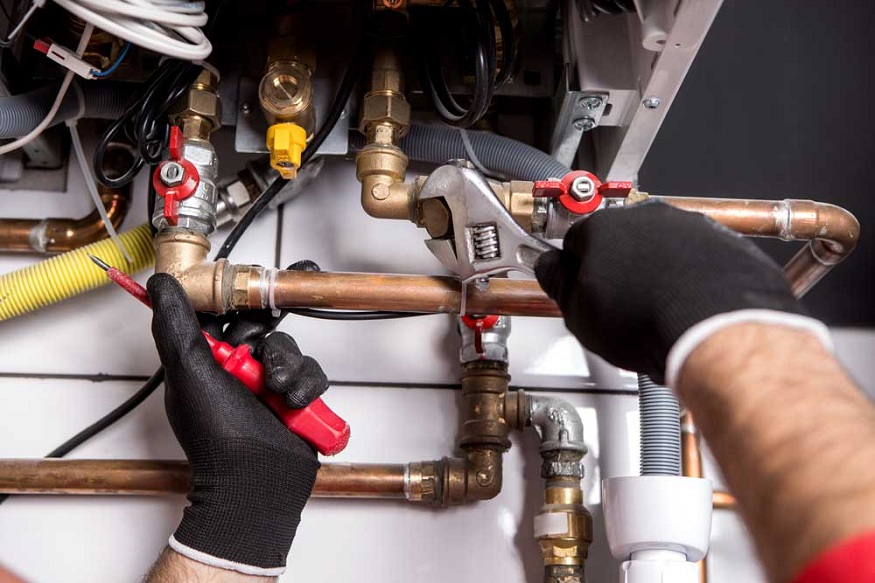
Gas and sewer lines are essential parts of a property, yet most of their components remain out of sight during everyday use. When either system develops a serious problem, repairs may involve underground pipes, specialized equipment, careful planning, and temporary disruption around the property. Understanding what happens before work begins can help property owners prepare for the process and make informed decisions.
In contrast to a leaking faucet or clogged sink, gas and sewer line problems can affect larger sections of a building and surrounding property. For this reason, proper diagnosis and planning are important before repair work starts.
Accurate Diagnosis Comes Before Major Work
Visible symptoms do not always reveal the exact location or cause of a problem. Sewer issues may appear as recurring drain backups, unpleasant odors, unusually slow drainage, or wastewater appearing where it should not. Gas line concerns can include damaged connections, deterioration, or other conditions requiring professional attention.
Before recommending extensive work, a plumbing contractor Houston property owners hire may evaluate the affected system to determine where the problem is located and how much of the line is involved. Accurate diagnosis can help distinguish between localized damage and a larger problem requiring more extensive repair.
This initial evaluation also helps prevent unnecessary excavation or replacement.
The Type Of Damage Determines The Repair Methods
Not every damaged gas or sewer line requires the same solution. A small affected section may need a targeted repair, while widespread deterioration can require replacing a longer portion of pipe.
For sewer systems, plumbers may encounter cracks, collapsed sections, corrosion, blockages, root intrusion, or pipes that have shifted over time. Gas line repairs can involve damaged fittings, deteriorated pipes, or problems with existing connections.
The condition, material, age, and location of the line can all influence the recommended repair approach.
Underground Utilities Need To Be Considered
Gas and sewer pipes often share underground areas with water lines, electrical systems, telecommunications cables, and other utilities. Property owners should understand that underground repair work requires careful planning before digging begins.
Read More: Benefits of Choosing a Qualified Plumbing
The location of existing utilities can influence where excavation occurs and which repair techniques are practical. Proper preparation helps reduce the possibility of damaging nearby infrastructure while accessing the affected pipe.
This is one reason underground plumbing repairs should not be approached like ordinary landscaping or excavation work.
Access Can Affect The Scope Of The Project
Pipe location plays a significant role in determining how disruptive a repair may become. Some lines are relatively easy to access, while others may run beneath driveways, landscaping, patios, floors, or other structures.
Property owners should ask where access will be required and which areas could be affected. Understanding this information beforehand makes it easier to move vehicles, outdoor furniture, equipment, or other belongings away from the work area.
In certain situations, the accessibility of the damaged section can also influence the repair method selected.
Temporary Service Interruptions May Be Necessary
Some gas and sewer repairs require services to be temporarily unavailable. Property owners should discuss potential interruptions before work starts so everyone using the building knows what to expect.
For residential properties, this may mean planning around periods when plumbing fixtures cannot be used. Commercial property owners may need additional preparation if repair work affects employees, customers, tenants, or normal business activities.
Knowing the expected schedule can make temporary inconvenience easier to manage.
Costs Can Depend On Several Factors
The price of gas or sewer line repair is rarely determined by the pipe alone. The location and extent of damage, accessibility, pipe material, labor requirements, and restoration work can all affect the overall project.
Before approving major repairs, property owners should understand what the proposed work includes. Asking about excavation, replacement materials, testing, cleanup, and restoration can provide a clearer picture of the complete project rather than focusing only on the initial repair.
Testing Is Important After Repairs
Completing the physical repair is not necessarily the final step. The repaired system should be checked to confirm that it functions properly and that the original problem has been addressed.
Read More: Best practices for draining condensate from steam
Testing procedures vary depending on whether gas or sewer lines are involved. Professional verification provides greater confidence that connections, repaired sections, and surrounding components are performing as intended.
Preparation Makes Major Repairs Easier To Manage
Gas and sewer line repairs can seem complicated because much of the system is hidden underground or behind structural surfaces. Property owners can prepare by understanding the diagnosis, proposed repair method, access requirements, possible service interruptions, and expected restoration.
Clear communication before work begins helps establish realistic expectations and reduces unexpected complications. With careful evaluation and appropriate planning, gas and sewer line repairs can focus on resolving the underlying problem while limiting unnecessary disruption to the property.