
Heating and cooling systems are among the most complex and powerful appliances in a home. While they deliver comfort year-round, they also involve electricity, refrigerants, gas connections, moving components, and high air pressure. Understanding HVAC safety standards helps homeowners reduce risks, protect equipment, and ensure their system operates efficiently and legally.
Why HVAC Safety Standards Matter
Safety standards exist to prevent hazards such as electrical faults, fire risks, carbon monoxide exposure, refrigerant leaks, and poor ventilation. In Australia, HVAC work must comply with national and state regulations covering installation, servicing, and repairs. These standards are designed not only for safety but also for performance, energy efficiency, and environmental protection.
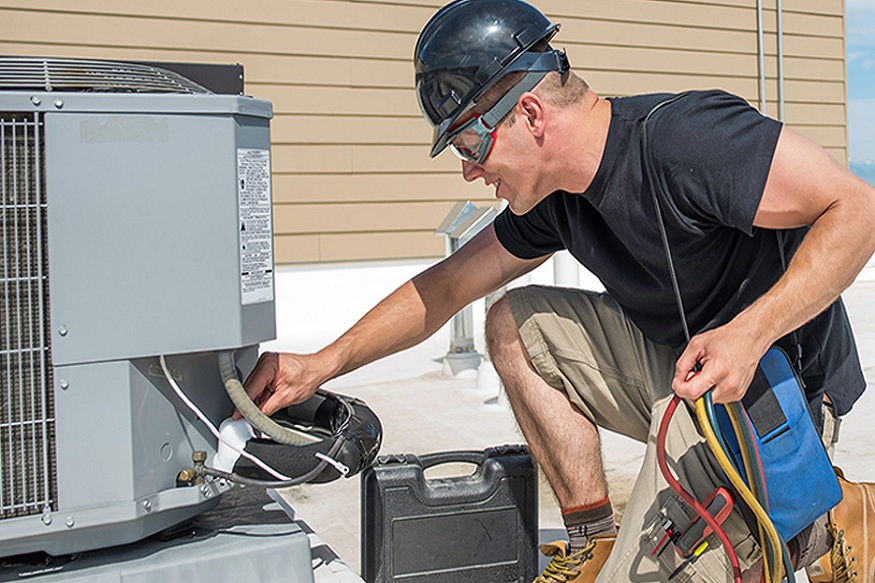
Many HVAC tasks legally require a licensed HVAC technician. This includes electrical work, refrigerant handling, and gas connections. Attempting DIY repairs or hiring unqualified contractors can lead to serious safety issues and may void warranties or insurance coverage. Always verify that your technician holds the appropriate licences and certifications.
Read More:The ultimate guide to finding the best roofer in Lille
Key Areas of HVAC Safety
- Electrical Safety
Air conditioning systems draw significant power. Faulty wiring, overloaded circuits, or incorrect installations can increase fire risks. Regular inspections help detect loose connections or damaged components. - Refrigerant Handling
Refrigerants must be handled by certified professionals. Improper handling can harm health and the environment. - Gas & Combustion Safety
For gas heating systems, correct ventilation and combustion checks are critical to avoid carbon monoxide risks. - Airflow & Ventilation
Blocked filters or ducts can strain the system, reduce efficiency, and impact indoor air quality.
Maintenance Is a Safety Measure
Routine servicing is not just about performance — it is a preventative safety step. Scheduled maintenance can identify leaks, worn parts, airflow issues, and early electrical problems before they escalate into costly or dangerous failures.
Contact a professional if you notice burning smells, unusual noises, poor airflow, water leaks, inconsistent temperatures, or sudden spikes in energy bills.
HVAC safety standards protect your home, health, and investment. Staying proactive with licensed servicing and inspections ensures your system remains safe, compliant, and reliable for years to come.
Read More:How to maintain your air conditioning: advice from SBF Energies!